How long is a baraat, and how to plan the dhol
Last updated 30 October 2026
Baraats commonly run 30 to 60 minutes, and a dhol entrance is usually about 5 to 10 minutes. We agree exact timings with each customer, because the right length depends on your route, your family and your venue.
What a baraat is
The baraat is the groom's wedding procession. The groom's family and friends gather at a starting point and move together to the venue, where the bride's side waits to welcome them. In many families the groom arrives on a horse or in a decorated car, and the drumming leads the way.
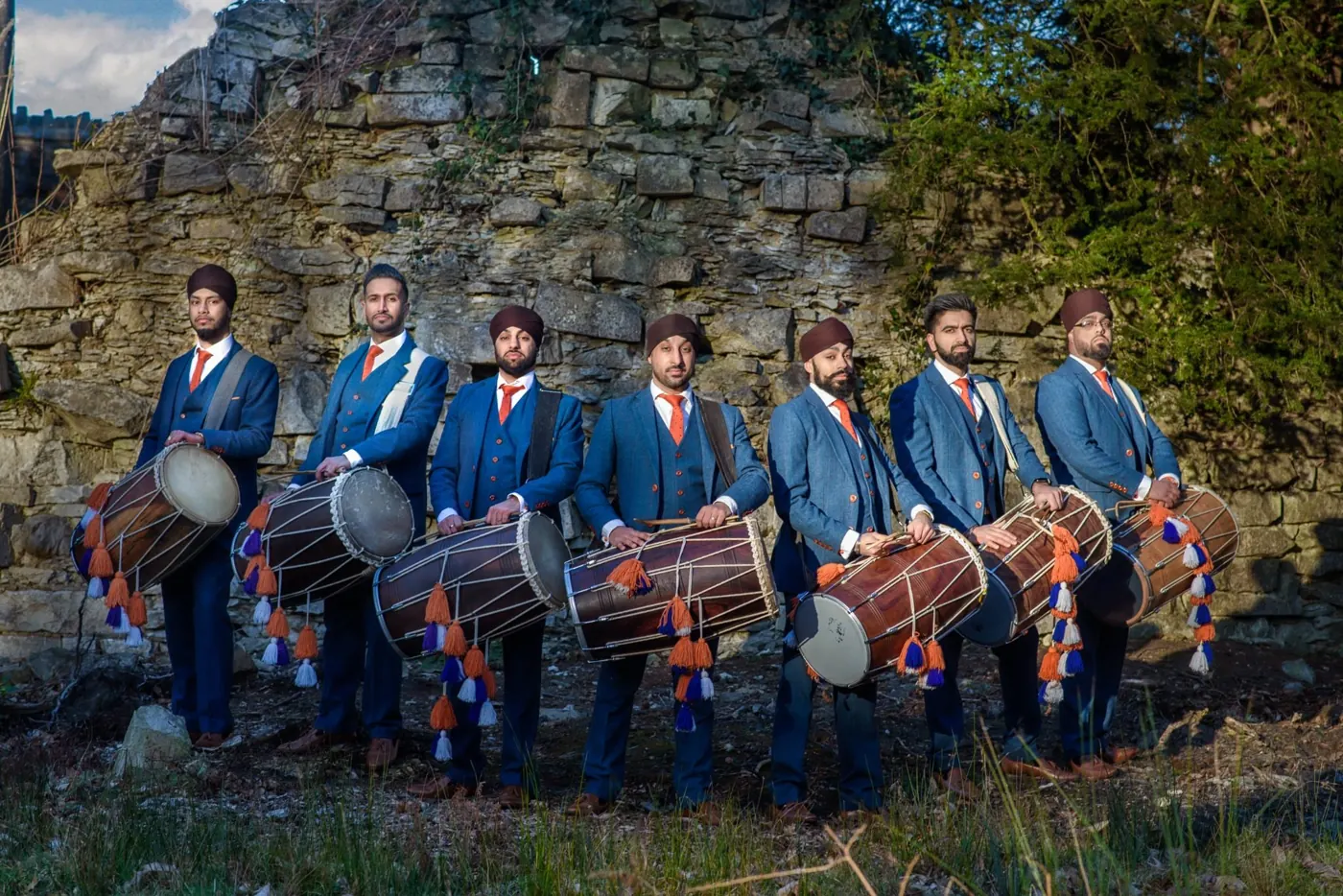
The dhol is the heart of the baraat. It sets the pace, draws attention and gets people dancing in the street. For many couples, it is the most energetic part of the whole day.
Typical timings
There is no fixed length for a baraat. Most commonly they run 30 to 60 minutes from the first beat to the moment the groom reaches the doors. Some are shorter and some go longer, depending on how far you are walking and how much dancing happens on the way.
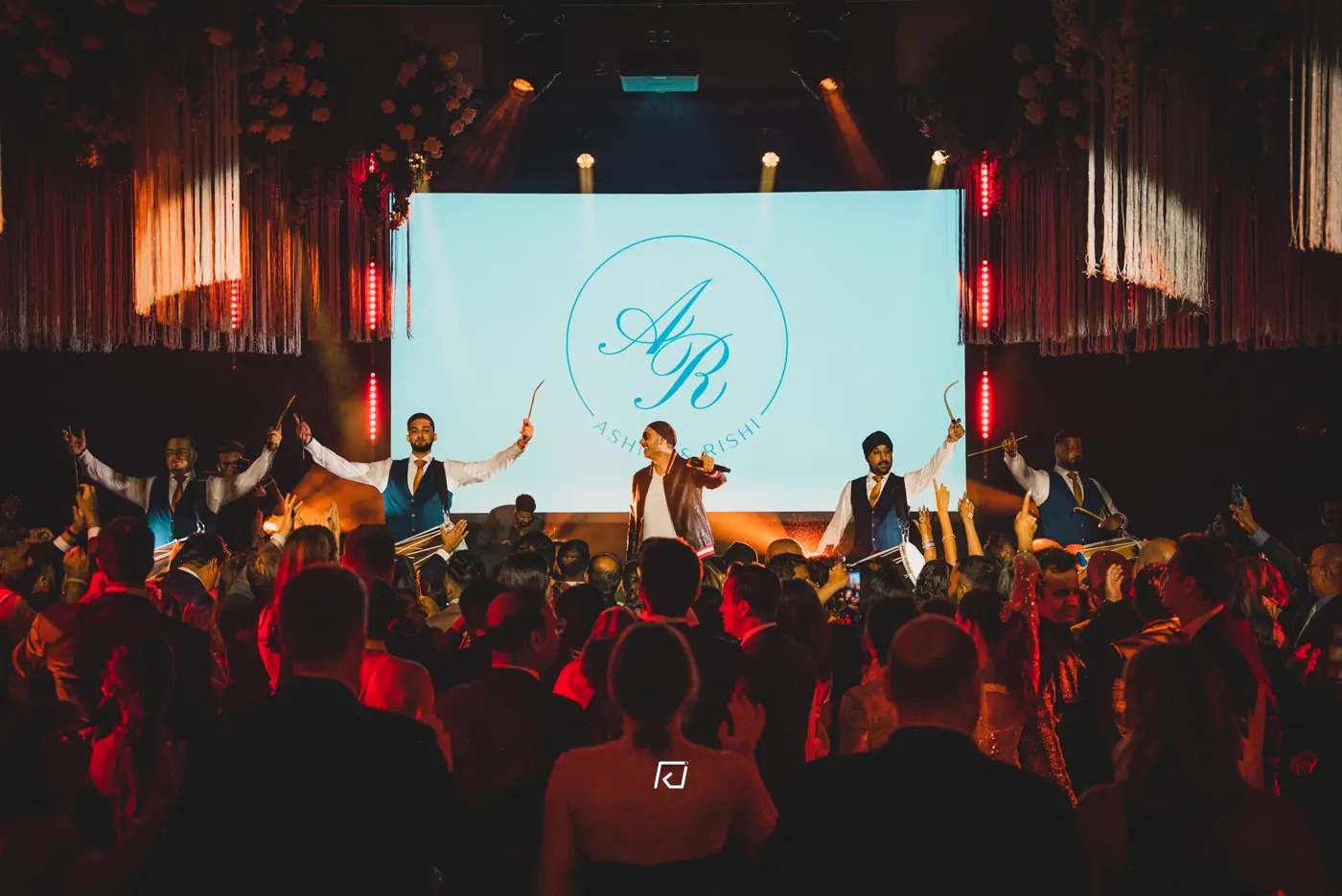
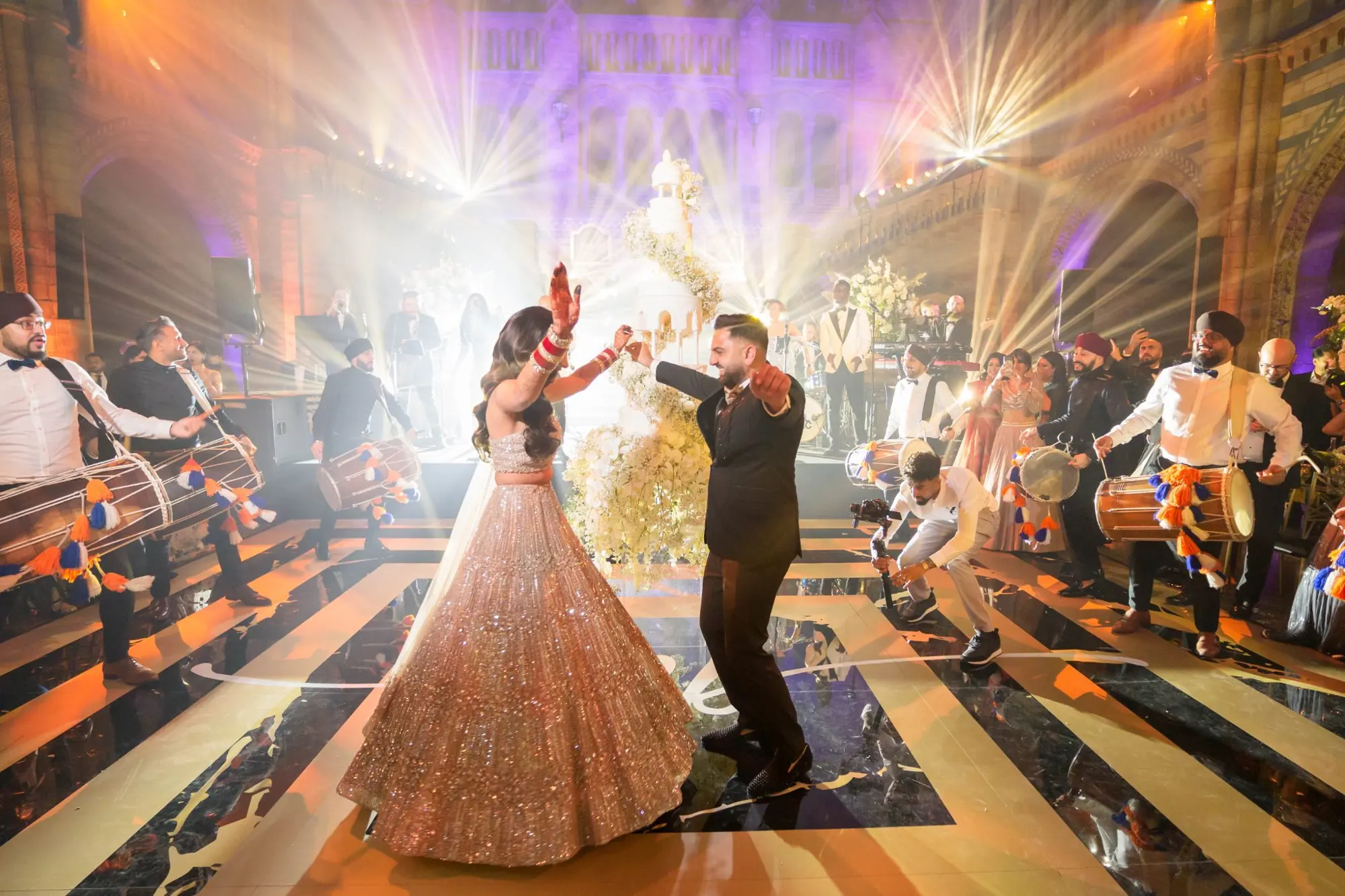
The dhol entrance is a separate thing. This is a short, loud arrival, either of the groom's party at the venue or of the couple into a reception. It usually takes about 5 to 10 minutes.
We agree exact timings with each customer. We ask when the baraat starts, where it moves to, and what has to happen at the end. Then we plan the playing around that.
What decides the length
Distance is the first factor. A short walk to the door is a few minutes of travel. A longer route can take much more, especially with a big group that stops to dance.
The second factor is how much dancing there will be. Baraats often stop at set points so the family can dance in a circle. Each stop adds time.
The third is the schedule. Some venues have a ceremony time, and the groom's party needs to arrive before it. Others have a fixed slot for the outside area. Work backwards from the time you need to be at the door.
Other things that stretch a baraat are a horse, speeches or a milni at the end, photos along the way, and waiting for family to gather.
How to plan the route
Pick a clear start point and a clear end point. The start could be a car park, a street corner or a nearby building. The end is usually the main entrance.
Walk the route, or look at it on a map. Check the surface for the horse or for people in formal shoes. Check where it crosses roads and whether anything blocks the path.
Tell your guests where to meet and when. A baraat that waits 20 minutes for stragglers loses its energy. It helps to set a call time earlier than the real start time.
Share the plan with us. We need the postcode, the start point, and the walking direction. We will ask a few questions so the players know what to expect.
Planning the dhol for a baraat
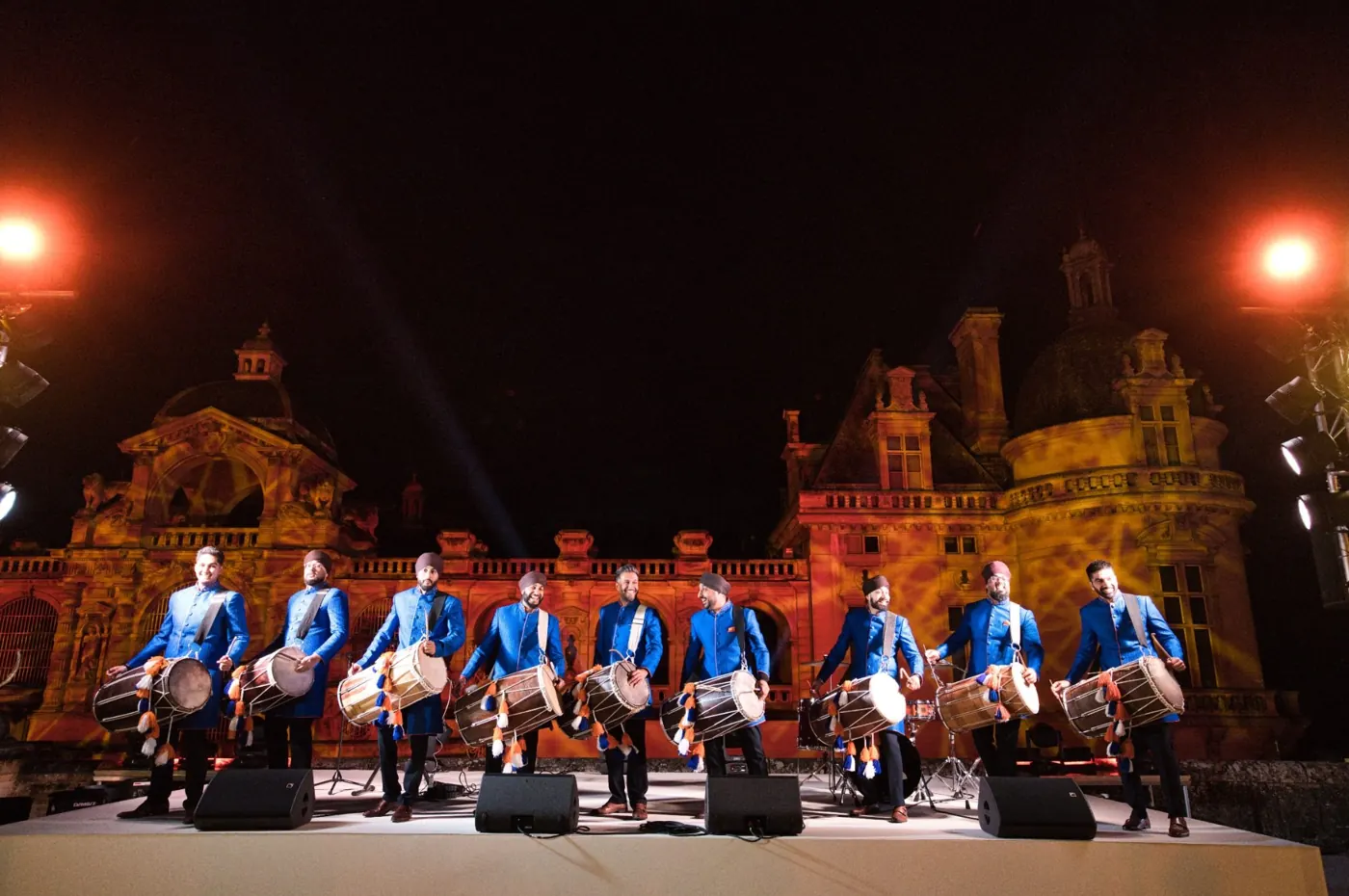
Two players suit most baraats and smaller venues. Four are the most booked for wedding receptions, and 8 or more suit big venues and large outdoor baraats. Teams of 4 or more are quoted on your requirements.
Our baraat or jaan arrival package is 2 dhol players from £295. If you also want a performance inside, a dhol set is from £395, an entrance plus set from £495 and a full day with the baraat, entrance and set from £695. All players are vetted and insured.
Players need rest on a long route, because dhol is physically tiring. It is worth thinking about a slightly higher number of players if the walk is long.
What if the baraat is late?
Baraats often start late. Families get delayed, cars are not ready, or photos take longer than planned. This is normal, and we plan for it.
Tell us if there is a risk of delay. We can agree how long the players will wait and what happens if the start moves. It helps to give one person on your side as our contact on the day, so we can check in.
If the venue has a hard cut-off, such as a noise curfew, make sure the baraat starts early enough to finish before it. A late baraat can lose its place in the schedule, so build in a buffer.
Contact us as early as you can if your timings change.
A simple timeline
Here is a simple way to plan. Set a call time for the family about 30 minutes before the baraat. Start the dhol when everyone is ready. Allow 30 to 60 minutes for the walk and dancing. Finish at the doors with a short dhol entrance of 5 to 10 minutes.
Keep a spare 15 minutes in your plan for delays. Share the timeline with us, your photographer and the venue.
Book dhol players for your baraat
More guides: How many dhol players do I need for my wedding? · What is a dholi? Dhol vs dholki explained · Can you have dhol indoors? Venue sound limits explained. All guides